The brand takes its name from the Japanese word "ikiru" (生きる), meaning "to live," which the company
The brand sources its green tea from Japan and brews in the United States, earning an endorsement from Grand Tea Master Fuyuko Soho Kobori as it positions itself between Japanese tea culture and modern American carbonated beverages.
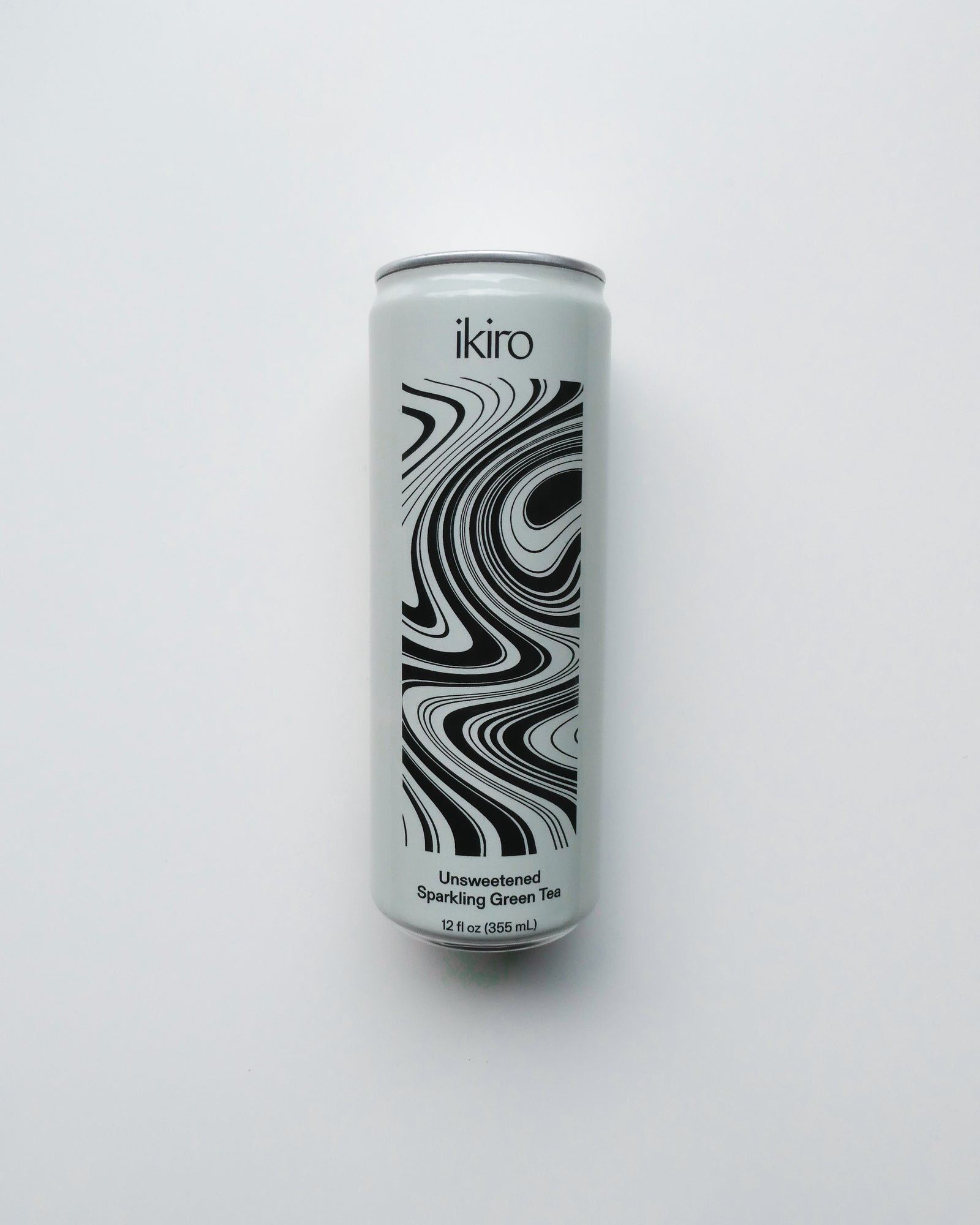
- Product format
- Sparkling Japanese green tea infused with real fruit juice, per the company
- Tea sourcing
- Green tea sourced from Japan, brewed in the USA, per the company
- Tea master approval
- Products approved by Grand Tea Master Fuyuko Soho Kobori, per the company
- Brand name meaning
- From Japanese 'ikiru' (生きる), meaning 'to live,' per the company
- Category intent
- Company says it aims to create a new category where tradition meets modern
The brand takes its name from the Japanese word "ikiru" (生きる), meaning "to live," which the company interprets as a command to embrace life and connect with each moment. Per the company, it was founded by green tea enthusiasts who could not find what they were looking for in the market and set out to create a new category where tradition meets modern. All products are brewed in the United States from tea sourced in Japan, per the company.
Each product carries approval from Grand Tea Master Fuyuko Soho Kobori, a credential the company foregrounds in its positioning. The endorsement is an unusual move for a U.S. beverage startup and signals an effort to establish authenticity in a segment where provenance claims are important to consumers.
Why it matters
Ikiro's approach, anchoring a fruit-infused sparkling format to Japanese tea culture and a named tea master's endorsement, is a deliberate effort to establish cultural authority in a category where differentiation is a central challenge. The Japan-sourced, U.S.-brewed supply chain may also appeal to consumers drawn to ingredients with traceable origins.
What to watch
The central open question is whether Ikiro can build sufficient retail distribution to compete in a segment that may already include other sparkling tea and functional beverage offerings. The brand's ability to convert a culturally specific positioning into broad shelf presence, particularly in channels beyond its early footprint, will determine whether it can scale from a niche concept into a category-defining brand.
Featured on @cpglatest: see the post
Sources
Related coverage
Premium wellness brands have increasingly looked to energy as a natural adjacency, recognising that the
The Hamilton partnership also reflects a wider pattern in CPG where high-profile athletes move from straightforward endorsement into longer-term brand association, lending authenticity that pure sponsorship rarely delivers.
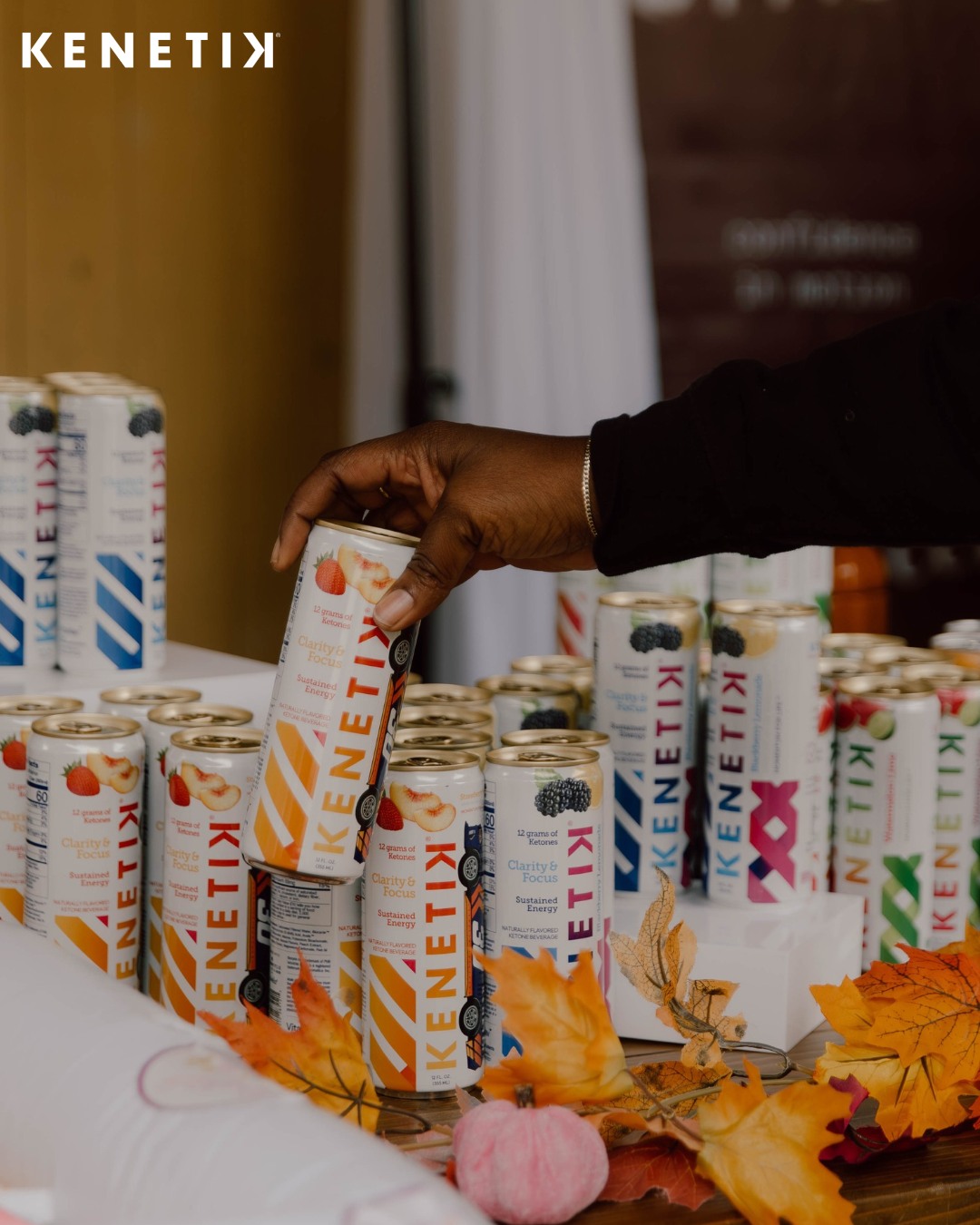
Kenetik Positions Blueberry Acai and a Biohacker Investor Roster as Its Caffeine-Free Alternative Play
Kenetik, the caffeine-free ketone beverage brand started by brothers Devon and Peter, carries a Blueberry Acai variety and counts Bulletproof founder Dave Asprey among its investor-partners, per the company.
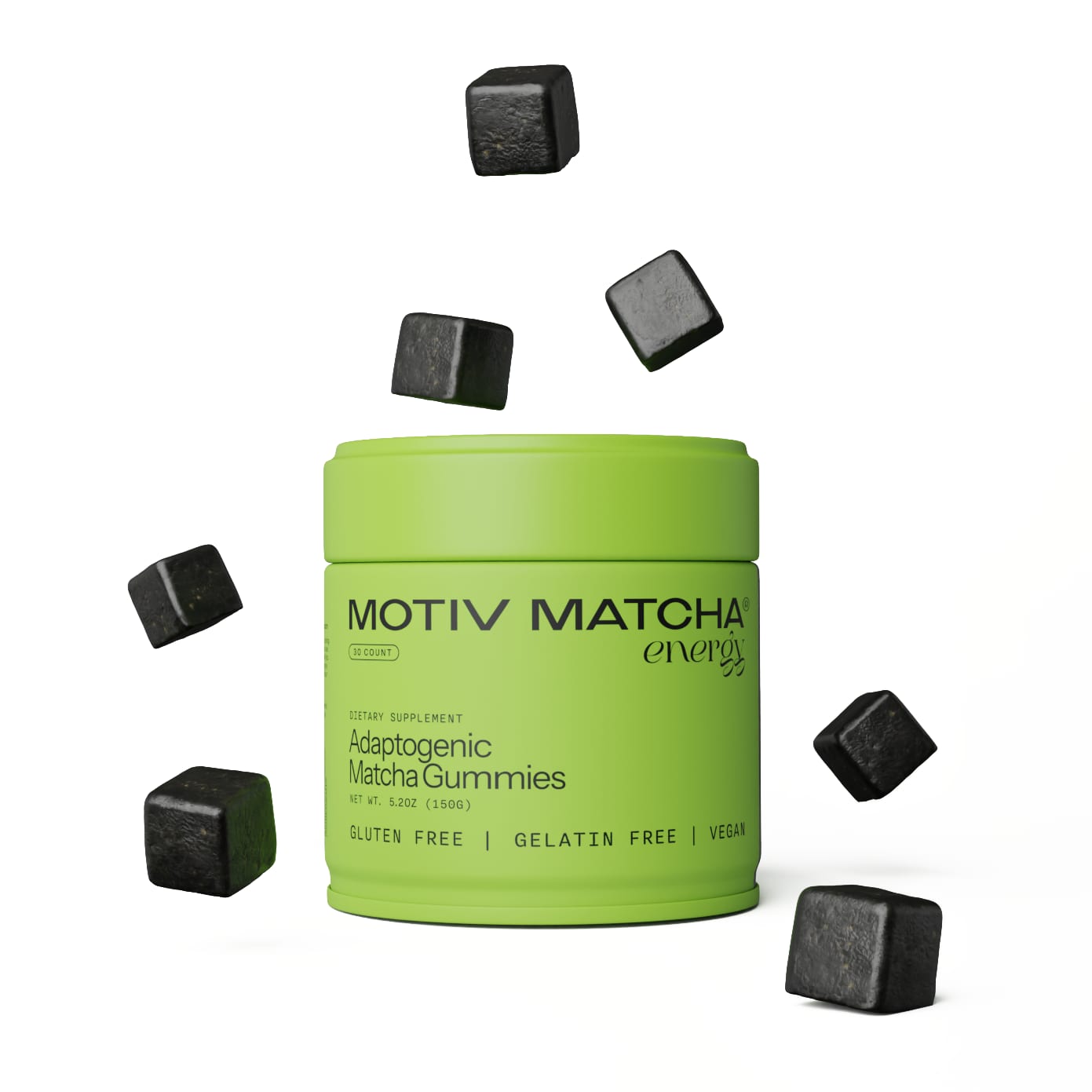
Motiv Matcha Pursues Energy Category With Low-Caffeine Functional Gummies
Motiv Matcha sells matcha and adaptogen gummies via DTC subscription, positioning the 10-milligram-caffeine format as a lower-stimulant alternative to conventional energy drinks.