The Chemo Club Builds Cancer Care Brand Around Fashion, Community and an Impact Fund
Alexandra O'Brien Roualdes built The Chemo Club after becoming her mother's caregiver, combining runway apparel, a podcast and an Impact Fund into a cancer support brand now serving more than 5,000 members.
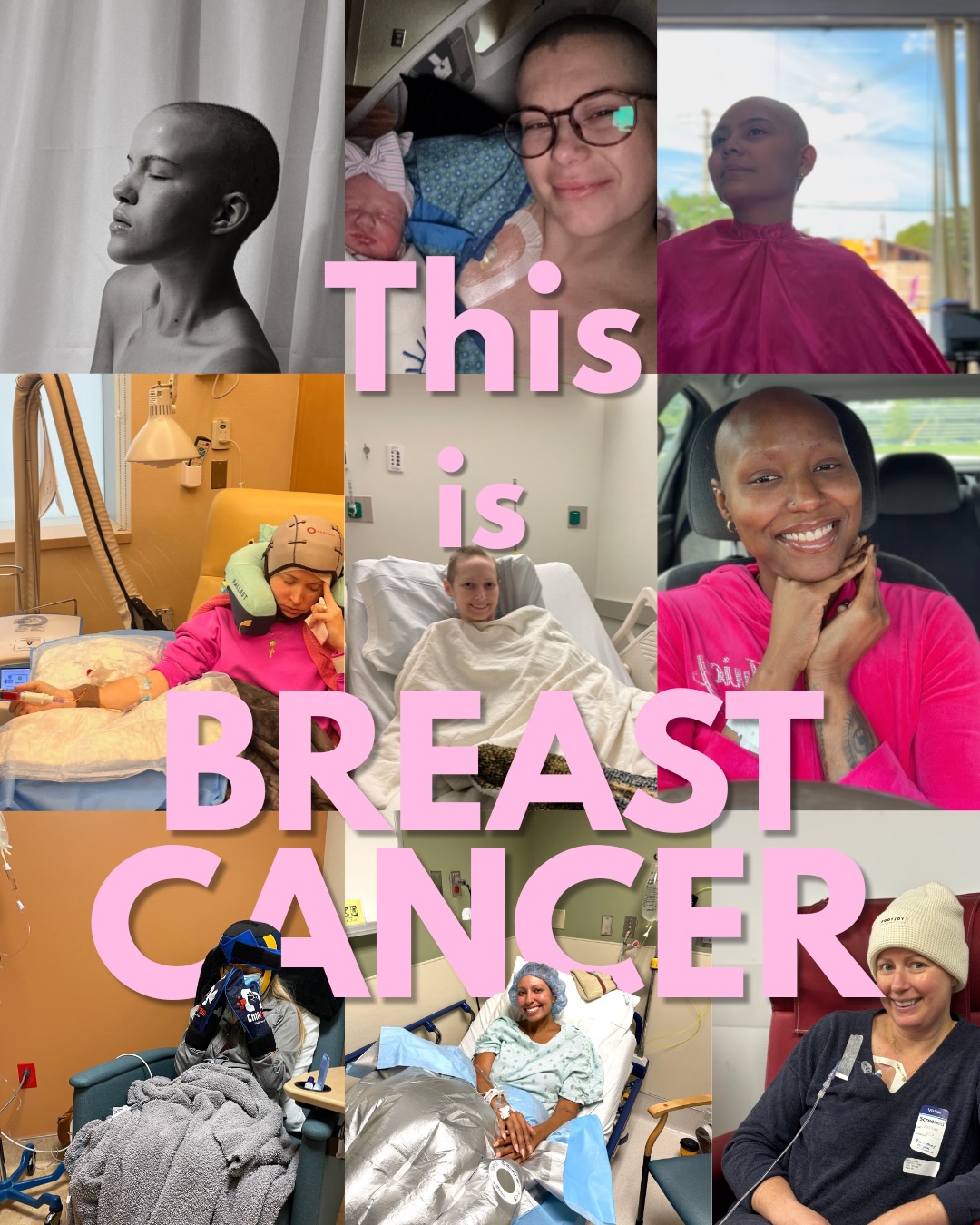
- Community size
- 5,000+ patients and caregivers in newsletter, per the company
- New York Swim Week
- Brand produced runway pieces now sold in its shop collection
The Chemo Club, founded by Alexandra O'Brien Roualdes, is positioning cancer care support as a consumer brand category, combining editorial resources, a podcast, an apparel line and a community of more than 5,000 patients and caregivers, per the company.
O'Brien Roualdes started the brand after her mother Andrea was diagnosed with cancer around the time Alexandra graduated from university. Finding existing support resources "cold, clinical, and disconnected from the reality" she was living, per the company, she built a platform aimed at patients, survivors and caregivers. The brand's editorial side includes guides for the newly diagnosed, a caregiver handbook and a podcast called Clean Truths. Its commercial arm spans statement apparel and accessories, including pieces that appeared on the New York Swim Week runway, as well as a product called The Chemo Survival Guide. A separate Impact Fund channels community generosity toward treatment-day essentials, transportation to appointments and mental health support, the company says.
The dual structure, part media platform and part retail brand, is a deliberate design choice. The company describes its goal as bringing cancer care into mainstream visibility by making the experience of living with or alongside the disease something that can be spoken about loudly and styled boldly, rather than hidden.
Why it matters
The Chemo Club occupies an emerging space at the intersection of wellness, fashion and patient advocacy that established health brands have largely ignored. By framing cancer care as something that can be community-driven and consumer-facing, the brand is testing whether the design and marketing language of lifestyle companies can lower the emotional and practical barriers around serious illness. That approach mirrors broader shifts in the wellness category, where identity and aesthetics have become as important as clinical framing in reaching younger consumers. The company notes on its own pages that more young people are being diagnosed with cancer at an unprecedented rate, signaling that it sees a generational audience that existing support infrastructure does not adequately serve.
What to watch
The open question is how The Chemo Club manages the tension between commercial growth and mission credibility as it pushes toward mainstream retail. Impact-driven product brands frequently face scrutiny over how proceeds are allocated, and the structure of the Impact Fund, specifically how much of product revenue flows to direct patient support versus operational costs, will be a key signal of whether the brand can hold both sides of its identity at scale.
Featured on @cpglatest: see the post
Sources
Related coverage
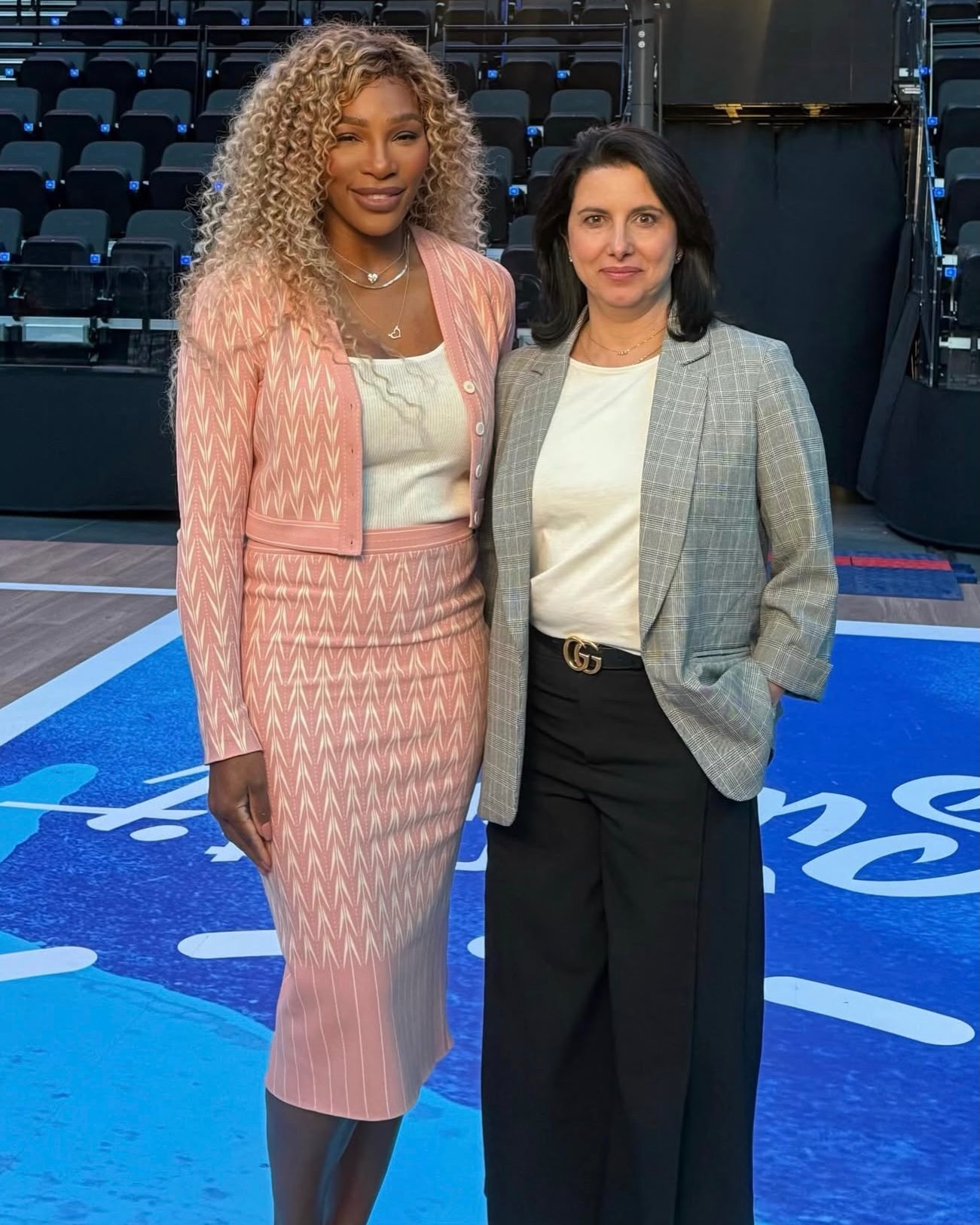
Serena Williams Takes Managing Partner Role at Starfire Ventures
Serena Williams takes the Managing Partner role at Starfire Ventures, a firm whose press materials also reference her prior Serena Ventures vehicle and a portfolio spanning AI, fintech, and consumer e-commerce.
The Ellsworths built Poppi into a brand significant enough to attract a major acquisition by one of the
The Ellsworths built Poppi into a brand significant enough to attract a major acquisition by one of the world's largest food and beverage companies.
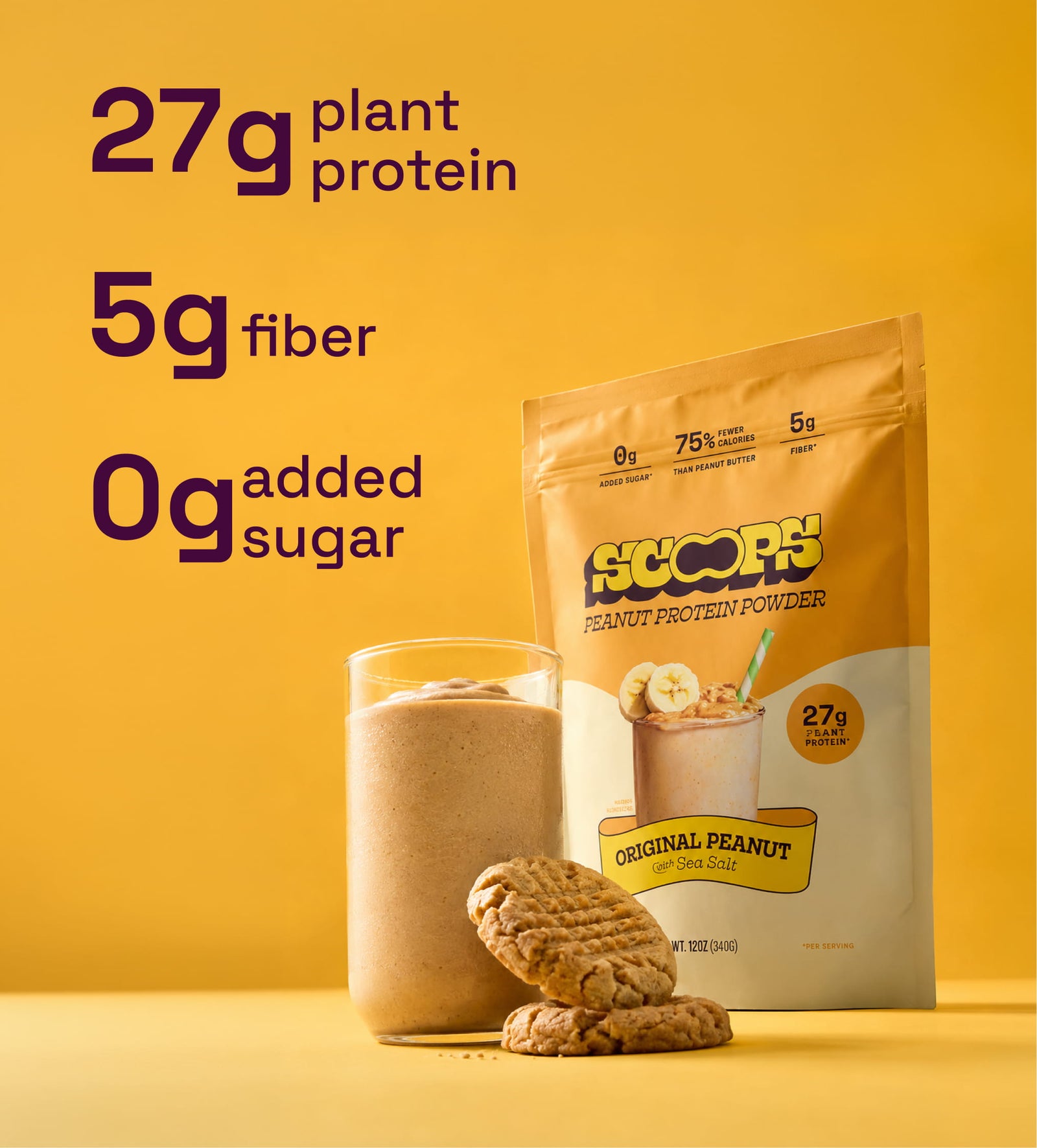
Scoops Grew Monthly Sales from $25K to $400K in Five Months at Target
Entrepreneur first reported that Liz Lane secured a deal for more than 1,100 Target stores in December 2025 before Scoops launched, raising $500,000 from supply-chain partners to fund a May 2026 rollout.